
How to Read Devanagari for Beginners
Learning how to read Devanagari may seem complicated at first, but you do not need to memorise the entire writing system at once. It becomes much easier when you understand how the script is organised.
Learning to read Devanagari becomes much easier when you understand how the script is organised.
How to read Devanagari: Step by Step
What is Devanagari?
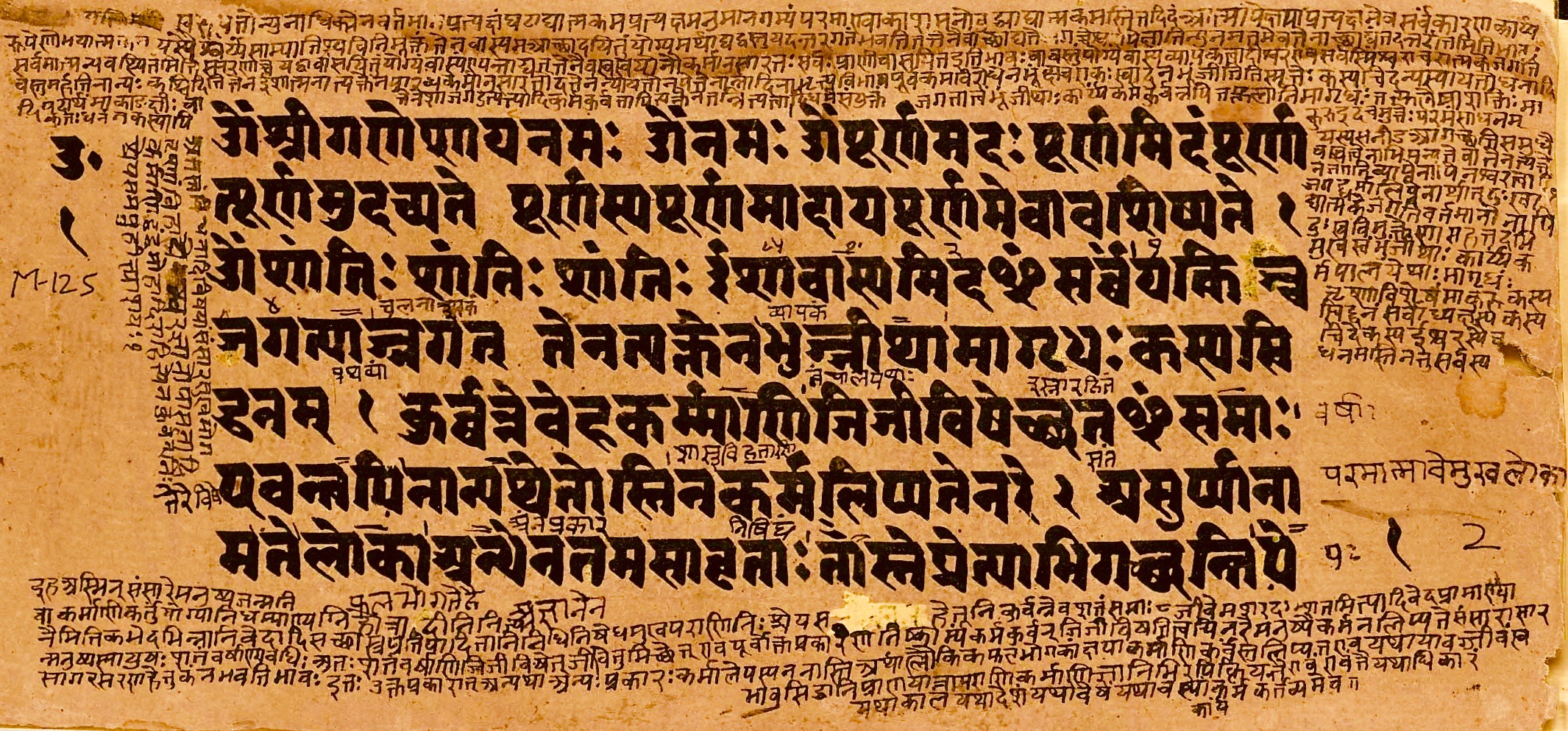
Devanagari is the script commonly used to write Hindi and Sanskrit today.
You may recognise it by the horizontal line that often runs across the top of letters and words.
For example:
नमस्ते
Once you begin recognising individual characters, words that initially looked unfamiliar start becoming much easier to decode.
Start with the vowels
अ
आ
इ
ई
उ
ऊ
Do not try to learn every character at once.
Choose a small group, practise recognising them and then add more gradually.
Then learn the consonants
For example:
क ख ग घ
and:
त थ द ध
The organisation of the script can actually help learners because similar sounds are grouped together.
Learn vowel signs
When vowels follow consonants, they are often represented by vowel signs.
For example, starting with क:
का
कि
की
कु
कू
Understanding these combinations is one of the key steps toward reading complete words.
Practise with short words
Once you know a few characters, start reading short words rather than continuing to memorise isolated letters.
For example:
नाम — name
भारत — India
Connecting letters with real words makes the script easier to remember.
Write as well as read
Writing the characters by hand can help reinforce recognition.
You do not need beautiful handwriting. The goal is to become familiar with the shapes and their components.
A useful routine is:
- Look at the character.
- Say the sound.
- Write it.
- Read it again.
- Find it inside a word.

Do you need Devanagari to learn Hindi?
You can begin speaking Hindi without immediately mastering the script.
However, learning Devanagari relatively early has advantages. It reduces your dependence on English transliteration and can help you understand pronunciation more accurately.
For Sanskrit learners, reading Devanagari is also highly useful because many modern Sanskrit learning materials use it.
Learning Hindi? Explore our Online Hindi Lessons for Beginners.
Book a free introductory lesson